


Why Are My Teeth Sensitive to Cold?
Teeth sensitive to cold can be caused by worn enamel, exposed roots, cavities, cracks or worn fillings. A quick sting and pain that lingers can point to different problems. A dentist can examine the tooth and determine what is causing the sensitivity before recommending treatment.
At Des Moines River Dental Care in Carlisle, Iowa, we help patients from Carlisle, Indianola and Norwalk understand changes in their dental health. If cold water or ice cream suddenly makes you wince, tell us which tooth reacts and how long the discomfort lasts.
- Note which tooth reacts to cold and when it started
- Tell us whether the pain stops quickly or lingers
- Call if sensitivity repeats, worsens or comes with biting pain
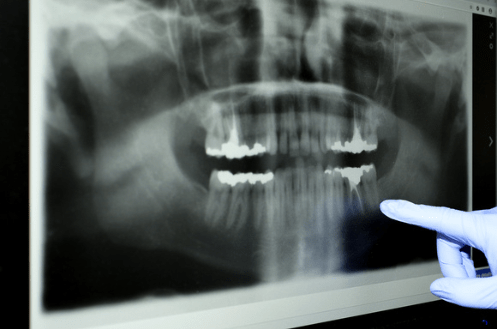
What causes teeth to become sensitive to cold?
Beneath the protective outer layers of a tooth is dentin. When that protection wears away or gums recede, cold can trigger sensitivity through exposed dentin. The American Dental Association also lists cavities, fractured teeth, worn fillings and gum disease as possible causes.
Why is only one tooth sensitive to cold?
Sensitivity in one tooth can come from decay, a crack, an exposed root or a problem with an existing filling. The location helps guide an examination, but symptoms alone cannot identify the cause. Mention any discomfort when biting as well as your reaction to cold.
Before your visit, note whether the problem started suddenly, follows recent dental work or happens with every cold drink. These details help us focus the conversation and examination.
Does the pain stop quickly or linger?
Brief sensitivity may be related to exposed roots or a minor tooth problem. Pain that continues after the cold is gone can signal damage to the tissue inside the tooth. The American Association of Endodontists recommends prompt evaluation for lingering temperature-related pain, particularly when it lasts longer than 30 seconds.
Tell our office if pain is worsening, interrupts sleep or occurs without a cold trigger. Describe the symptoms when you call so we can help arrange the appropriate appointment.
What can help sensitive teeth?
Desensitizing toothpaste may reduce sensitivity with repeated use. Brush gently with a soft-bristled toothbrush and temporarily avoid foods or drinks that trigger pain. These steps may improve comfort, but they do not repair a cavity, crack or damaged filling.
Our general dentistry services include exams and restorative care. Treatment depends on what we find, so we explain the cause and discuss appropriate options before proceeding.
Does cold sensitivity mean you need a root canal?
No. Cold sensitivity alone does not establish that you need a root canal. If the pulp inside the tooth is damaged, root canal treatment may be an option. An examination and any necessary imaging help determine the next step.
Common questions about cold-sensitive teeth
Can a tooth be sensitive after a filling?
Temporary temperature sensitivity can occur after dental treatment. Contact the treating dentist if it worsens, persists or comes with biting pain.
Should I wait until my next cleaning?
Call about new, recurring or lingering pain rather than waiting for a routine visit. Tell us how long the symptoms have been happening when scheduling.
When does tooth sensitivity need urgent attention?
Severe pain, swelling or fever needs prompt assessment. Contact our office about emergency dental care. Trouble breathing or swallowing requires emergency medical care.
Get help for teeth sensitive to cold in Carlisle
Des Moines River Dental Care is located at 65 School St in Carlisle, Iowa. We welcome patients from Indianola, Norwalk and nearby Central Iowa communities. If your teeth are sensitive to cold, call (515) 989-3180 or request an appointment below. We will evaluate your concern and explain your treatment options.